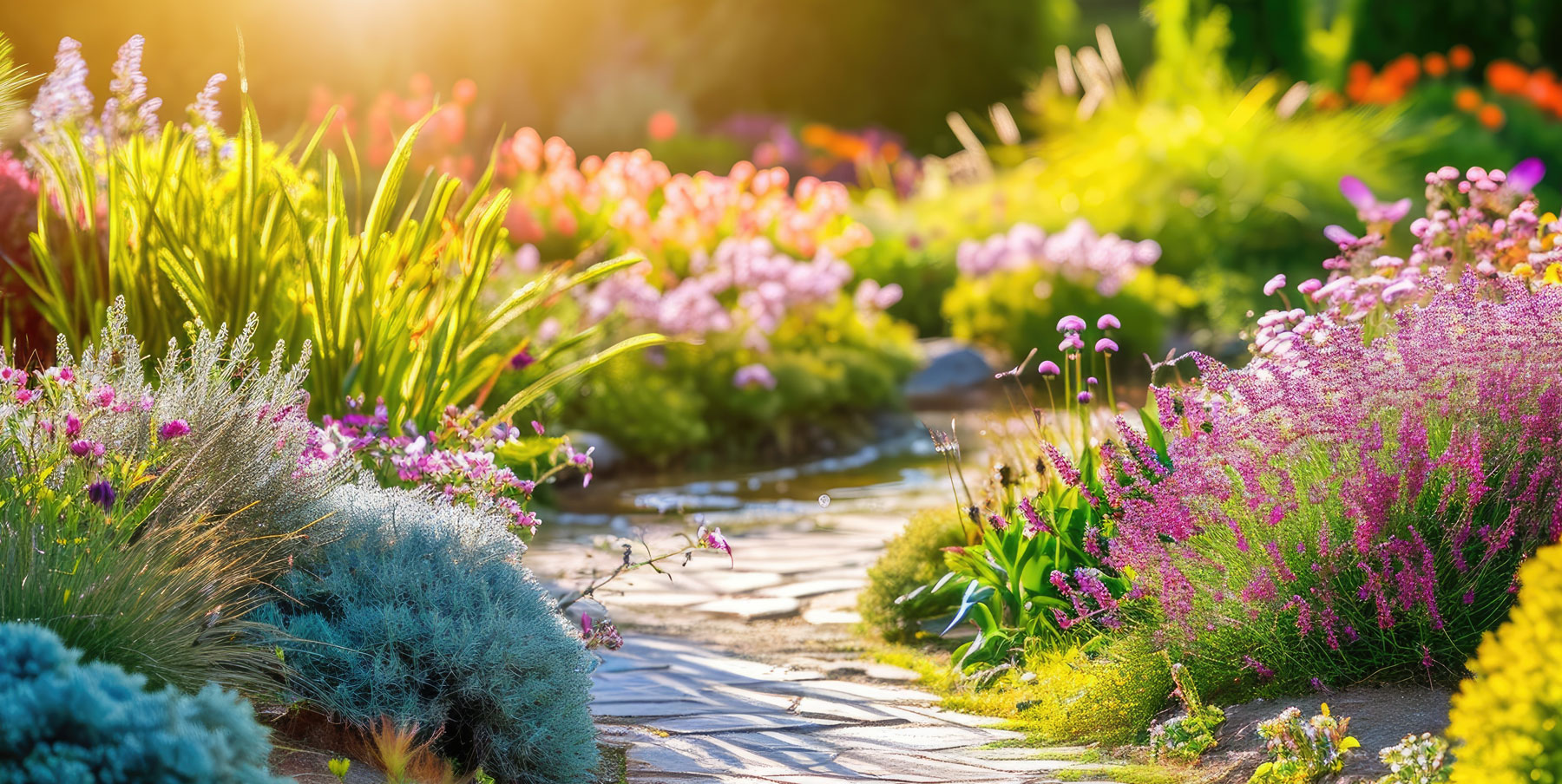
The first picture the Bible paints of home is a garden. “Now the LORD God had planted a garden in the east, in Eden; and there he put the man he had formed” (Genesis 2:8, NIV). Thousands of years later, researchers with heart monitors, brain scanners and blood pressure cuffs continue to find evidence that we thrive among the plants and trees. Green spaces improve stress hormones, attention, blood pressure and mood, and the findings hold up in cities as well as the countryside.
Your Body Measures the Difference
Scientists can now measure what happens inside you during time in natural settings. A systematic review of 28 studies linked nature exposure with lower cortisol, the hormone your body releases under stress. The review also found that how connected you feel to nature shapes the benefit. People with a stronger sense of connection showed greater physiological responses to time outdoors, and time outdoors appeared to strengthen that sense of connection in return.¹ Getting outside starts a positive feedback loop that keeps paying off.
Your Brain Recovers Its Focus
Early neuroimaging research suggests that natural environments reduce activity in brain circuits tied to stress and self-focused thinking while shifting brain activity toward patterns consistent with restored attention. EEG and MRI studies keep finding the same thing: time in nature appears to help your attention recover.²
Even Blood Pressure Responds
A separate meta-analysis of 27 studies found that adults with more vegetation around their homes had lower odds of hypertension. Every 10% increase in surrounding greenness was associated with about 5% lower odds of high blood pressure, along with modestly lower systolic readings. The researchers concluded that adding green space deserves serious attention as a public health measure.³
It Helps Most Where Life Is Hardest
How much outdoor time does it take? In a national survey of more than 7,600 adults, people who spent at least four hours a week in nature scored markedly higher on a standard wellbeing scale than people who spent none. Spread out, four hours is about 35 minutes a day, but smaller weekly amounts were linked with gains too. Notably, the wellbeing gap between adults living in material deprivation and everyone else shrank when people spent even an hour a week in nature.⁴
In a small Japanese study, 28 men receiving outpatient care for depression showed increased parasympathetic activity, the body’s relaxation response, along with better mood scores after simply viewing a planted green space beside their clinic.⁵ The results may not apply to everyone, but it’s encouraging evidence that even a small green space close by can help.
Winter will soon make the outdoors harder to reach, which makes this a good week to get started. Choose one thing you already do every day, maybe a phone call or your morning prayer time, and take it outside. The first home God gave people was a green space, and they still do you good to visit.
The information in this article is intended for educational and inspirational purposes only and does not constitute medical advice. Please consult a qualified healthcare professional before making changes to your exercise routine or health practices, especially if you are managing a medical or mental health condition.