Most exercise advice comes down to one number: how many minutes you move each week. New research suggests a second number deserves attention too: how many different kinds of activity you keep doing. Mixing it up is linked to a longer life, and variety may help you keep exercising over time.
Variety Is Linked to a Longer Life
Researchers followed more than 111,000 nurses and health professionals for over 30 years. People who consistently did the widest range of activities had a 19% lower risk of death from any cause than those who did the fewest. That held even after accounting for how much total exercise they got. The most varied group also had a 13 to 41% lower risk of death from cardiovascular disease, cancer, respiratory disease and other causes. Walking showed the strongest link of any single activity. People who walked the most had a 17% lower risk of death than those who walked the least.¹ If walking is already your favorite, keep it and add something new.
Add Strength to Your Cardio
An easy way to mix it up is pairing aerobic activity like walking or cycling with strength training. The American Heart Association reports that resistance training, alone or combined with aerobic training, improves risk factors for cardiovascular disease whether or not a person already has it. It also builds or maintains muscle mass and strength. Yet fewer than one in three U.S. adults report strength training the recommended two days a week.² A separate study followed more than 47,000 U.S. adults with type 2 diabetes. The lowest death rates showed up in people who got the recommended weekly amount of aerobic activity and also did muscle-strengthening activity at least once a week.³
Variety Keeps You Going
Psychology professors Michael Otto of Boston University and Jasper Smits of the University of Texas at Austin research exercise as a treatment for mood and anxiety. In their Oxford University Press workbook, they name variety as one of the most important ways for an individual to keep an exercise habit strong over time. They suggest letting your goals change so exercise stays interesting. They also recommend a simple log of your workouts and moods to see what’s working and help set your next goal. Lapses happen, and they encourage coaching yourself back into the habit, regardless of you level of motivation.⁴ So decide ahead of time how you’ll restart after a missed week.
How It Feels Matters
In one study, researchers tested a new style of interval training guided by how people felt. For 20 minutes, participants alternated one minute at the hardest effort that still felt pleasant with one minute at the easiest effort that still felt pleasant. They rated it more pleasant and more enjoyable than a self-paced workout or standard high-intensity intervals. It also gave them more sense of choice than the high-intensity workout. All three sessions still averaged a vigorous effort. How pleasant the workout felt, including at the finish, predicted how much people enjoyed it, how they remembered it and how pleasant they expected future exercise to be.⁵ The study suggests that finishing a workout feeling good may make the next one easier to look forward to.
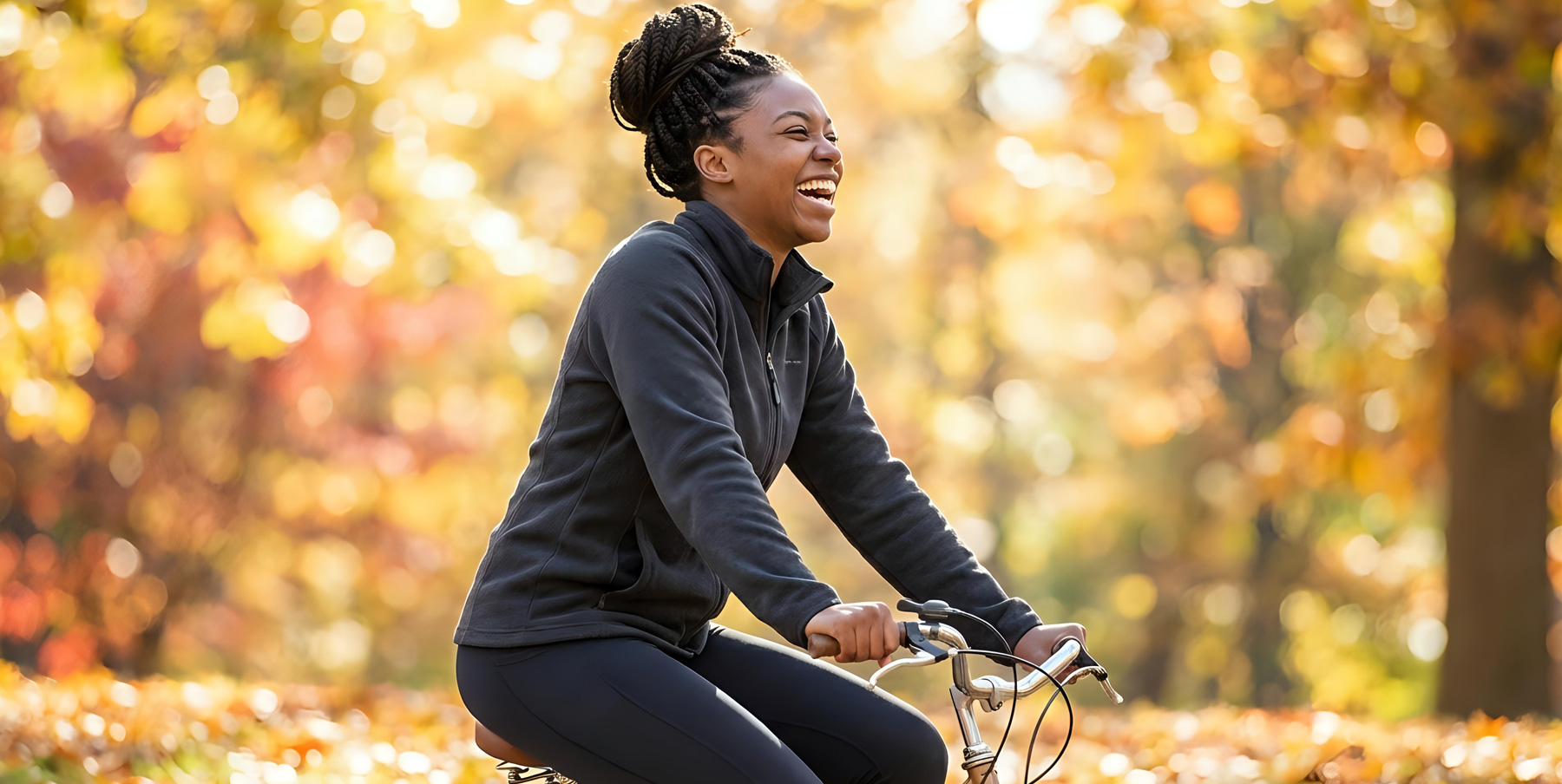
God designed your body to walk, lift, climb, stretch and play. The research teaches us that using more of those abilities may help you live longer and enjoy moving enough to keep at it. Fall brings plenty of options, from raking leaves to a bike ride or a pickleball game. This week, try one activity you don’t usually do. Pick whichever one sounds like the most fun.
The information in this article is intended for educational and inspirational purposes only and does not constitute medical advice. Please consult a qualified healthcare professional before making changes to your exercise routine or health practices, especially if you are managing a medical or mental health condition.