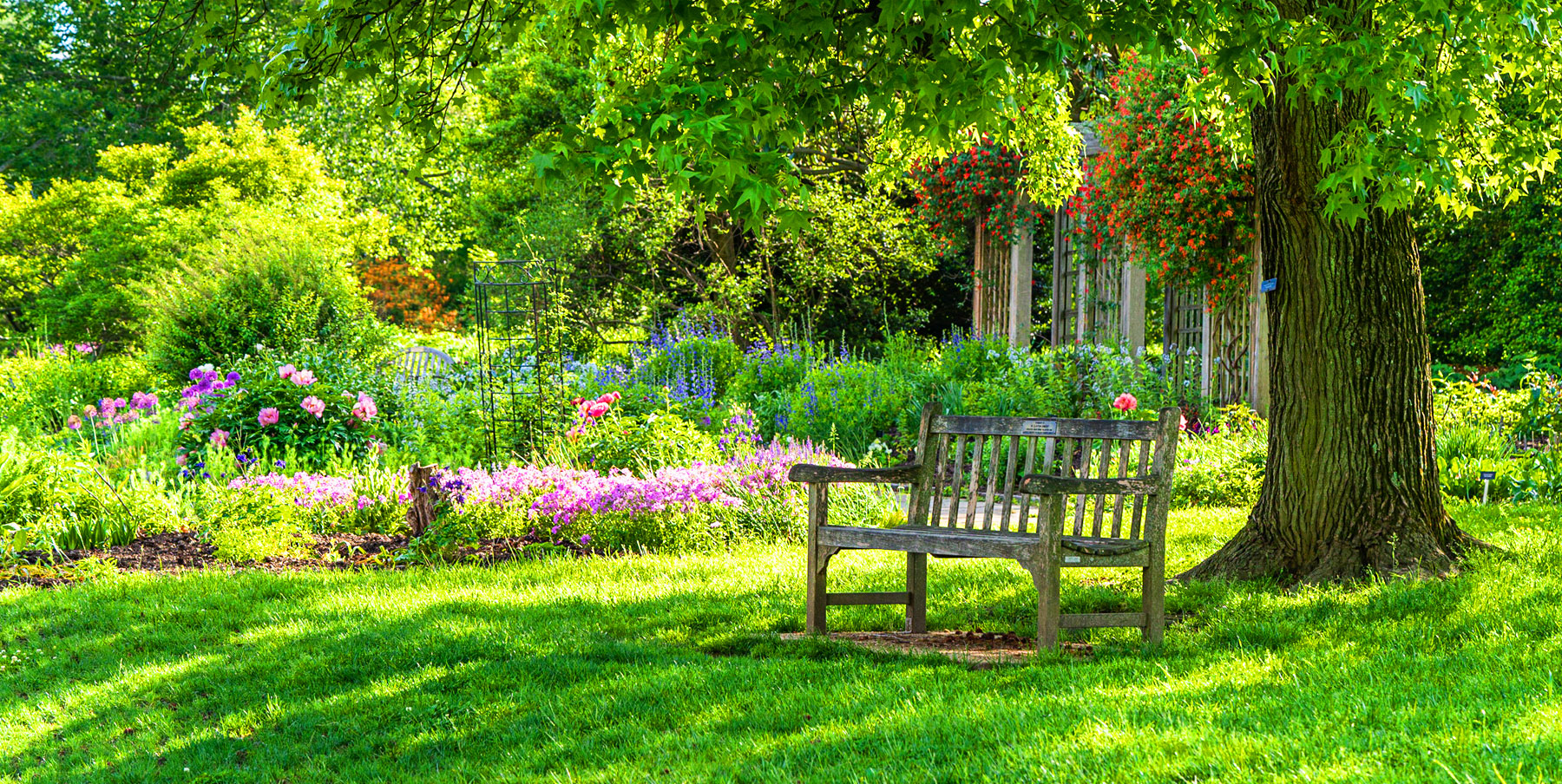
By June, most yards are doing their job on the surface. The grass is mowed, the beds are weeded and the whole thing looks the way it’s supposed to. Then it mostly gets seen through a window. A yard can take real money and plenty of weekends to keep up and still end up as a place nobody actually stops in. But that same space can also lower your stress. The plants you choose, where you put a seat and how open you leave the ground all change how your body responds when you step outside.
A Little Greenery Lowers Stress
You don’t need acreage. A systematic review of small-scale greenery found that even modest amounts of plant life helped people feel less stressed, and six of the studies measured lower blood pressure after time around greenery. Some of the effects showed up fast, within just three to six minutes of exposure.¹ Indoor and potted plants count too. A review of indoor plants linked them to reduced stress, better mood and cleaner air inside the house.² The key is to put something green where you’ll actually see it from a seat.
Layout Decides How Much It Helps
Where you place things matters as much as what you plant. In a study using virtual garden models, researchers tested scale, slope and planting height against people’s stress responses. Gently sloped ground, around a five percent grade, performed best overall for lowering stress and restoring attention. Lower plantings near a resting spot did more for stress than tall, walled-in greenery.³ For a backyard, that means keeping the area around your seat open and low, with the taller plants set back at the edges, which leaves the spot uncluttered and easy to settle into.
Sit Long Enough For It To Count
A garden only helps if you stay in it. A meta-analysis of outdoor nature activities found that structured time in green space improved mood and reduced anxiety, with the best results from sessions of twenty to ninety minutes over eight to twelve weeks.⁴ That means a real chair you’ll actually sit in, set somewhere comfortable. Scripture places people in a garden from the very beginning, and a quiet patch of green still gives you somewhere to pray, breathe and slow down for a few minutes. Build the spot so sitting there is the easy choice.
Bring Other People Into It
Gardening alone is good. Gardening with other people may be better. A study comparing community gardeners with home gardeners and non-gardeners found the community gardeners reported higher well-being, resilience and optimism, even after accounting for age and how connected people already felt to nature.⁵ You don’t need a community plot to use this. Hand a child a watering can, give a neighbor some tomatoes, weed a bed alongside someone. All of these actions support you well-being.
This week, set up your own spot. Move a chair to where the evening light lands, put a plant where you’ll see it from the seat and take ten unhurried minutes there to pray and let your shoulders drop before you head back inside. Notice how you feel calmer and think a little more clearly on the days you make time for it.
The information in this article is intended for educational and inspirational purposes only and does not constitute medical advice. Please consult a qualified healthcare professional before making changes to your exercise routine or health practices, especially if you are managing a medical or mental health condition.